Seville in 3 days: the Cathedral, Alcázar, Plaza de España, Triana and the Setas, plus a live flamenco show in the old town to end the day.
Three days is how long many travellers spend in Seville and, with a little planning, it is enough to see the essentials. The hard part is the order: there are so many things to do in Seville that it is easy to end up crossing the city several times a day. This guide to Seville in 3 days groups the sights by area, is designed to be done on foot and includes one evening you should not miss here: live flamenco in the historic centre.
Day 1: Cathedral, Giralda, Royal Alcázar and Santa Cruz
The first day focuses on the monumental heart of the city, where everything is a few steps apart. The Cathedral, the Royal Alcázar and the Archivo de Indias were declared a UNESCO World Heritage Site in 1987, which makes them the natural starting point.
Cathedral and Giralda. Start early at the Cathedral and climb the Giralda. There are no stairs: you go up a series of ramps built so that the tower could be climbed on horseback, and from the top the layout of the old town makes sense at a glance. Including the Giraldillo, the weather vane on top, the tower is about 104 metres high.
Royal Alcázar. Right opposite, the Real Alcázar is considered the oldest royal palace still in use in Europe. Don't miss the 14th-century Mudéjar Palace of Pedro I, with the Patio de las Doncellas and the Hall of Ambassadors, or the gardens. Book online in advance: entry works by time slot and sells out in high season.
Santa Cruz. Afterwards, wander through the old Jewish quarter: narrow lanes, squares lined with orange trees and patios glimpsed behind wrought-iron gates. It is the ideal area for a tapas lunch and a rest before the afternoon.
Day 2: Plaza de España, Torre del Oro and Triana, with flamenco at night
Plaza de España and María Luisa Park. Spend the morning at Plaza de España, designed by Aníbal González for the 1929 Ibero-American Exposition. Walk along its tiled benches, each dedicated to a Spanish province, and carry on into María Luisa Park next door.
Torre del Oro and El Arenal. Head back towards the river to the Torre del Oro, an Almohad watchtower built in 1220–1221 that now houses a maritime museum. From here, the riverside walk along the Guadalquivir leads to the Maestranza bullring.
Triana. Cross the Isabel II Bridge, completed in 1852 and regarded as the oldest iron bridge in Spain. On the other side, Triana Market stands on the remains of the Castillo de San Jorge, once the seat of the Inquisition and now an interpretation centre. End the afternoon on Calle Betis, facing the river, at sunset.
The evening: a flamenco show in Seville's old town
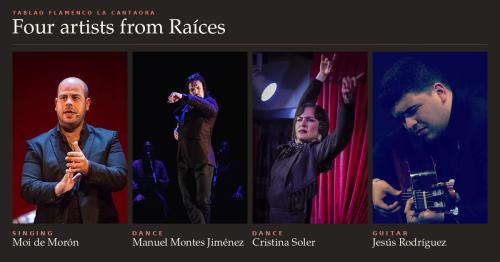
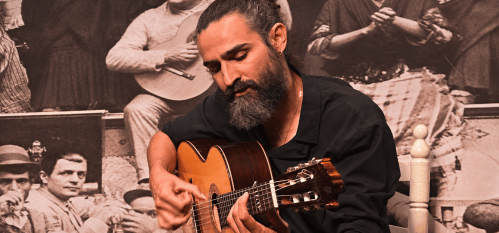
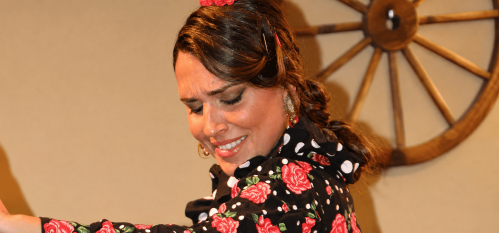
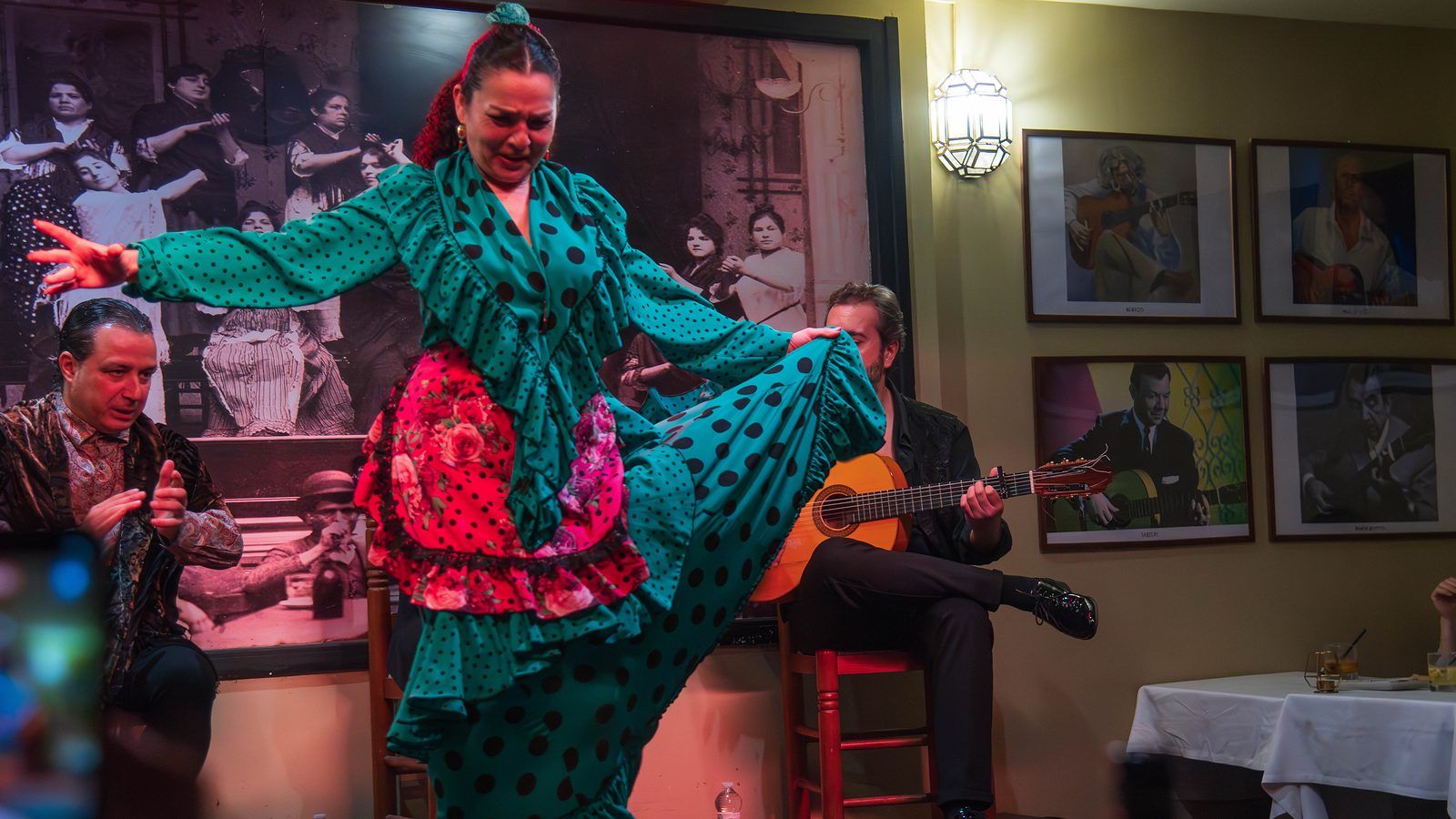
Walk back over the bridge and within minutes you will reach Calle Albareda, next to Plaza Nueva, home of La Cantaora. This is the time to enjoy a flamenco show in Seville in a tablao inspired by the 19th-century cafés cantantes. "Raíces" brings together singing, dance and guitar for 60 minutes, with two shows a day, at 7 pm and 9 pm. You can book the show only or add a cocktail, tapas or a flamenco show and dinner in Seville. And if you'd like to try it yourself, add a flamenco class held just before the show. Message us privately and we'll send you a tailored price, as it depends on the number of people.
Buy your tickets here and secure your seats for that night.
Day 3: the Setas, shopping streets and a final evening
Setas de Sevilla. Begin your last day at Plaza de la Encarnación, under the Metropol Parasol, better known as the Setas ("the mushrooms"). Designed by German architect Jürgen Mayer and opened in 2011, it is considered the largest wooden structure in the world. Walk the rooftop viewpoint, then go down to the Antiquarium to see the Roman remains found during construction.
From the shopping streets to Plaza Nueva. From the Setas, stroll down Calle Sierpes and Calle Tetuán, the main shopping streets of the centre, to Plaza Nueva and the City Hall. It is a good moment for last-minute souvenirs: a fan, some ceramics or a shawl.
Things to do in Seville at night
If day two didn't work for you, your last night is a second chance for flamenco: the 9 pm show leaves time for dinner before or after. If you have already seen it, walk the illuminated centre: the Cathedral, the Torre del Oro and Triana Bridge feel like a different city after dark.
Tips for your 3-day Seville itinerary
- Book anything with limited capacity. The Alcázar, the Cathedral and the Giralda work with time slots. The tablao is also small, so book your flamenco show in Seville ahead in high season and on bank holidays.
- Walk. Everything in this Seville 3-day itinerary is in or next to the centre; with comfortable shoes you won't need transport.
- Adapt to the season. In summer, see the monuments in the morning, rest at midday and head out again from sunset.
- Leave time to improvise. Some of the best things to do in Seville are on no list at all: a square you weren't looking for or a patio with its door left open.
Conclusion: Seville in 3 days, from the Giralda to the tablao
In this order, Seville in 3 days lets you see the essentials without rushing: day one for the great monumental complex, day two for the river and Triana, and day three for the modern city and some shopping. And in between, the night most travellers remember: live flamenco in the old town, a short walk from the Cathedral.
Book your flamenco show at La Cantaora and make it the best night of your trip.
 Back to the blog